
What networking equipment is necessary for an IoT network
As our world becomes increasingly interconnected, understanding the backbone of IoT networks has never been more crucial. From smart homes to industrial automation, specific networking equipment forms the invisible infrastructure that keeps billions of devices communicating seamlessly.
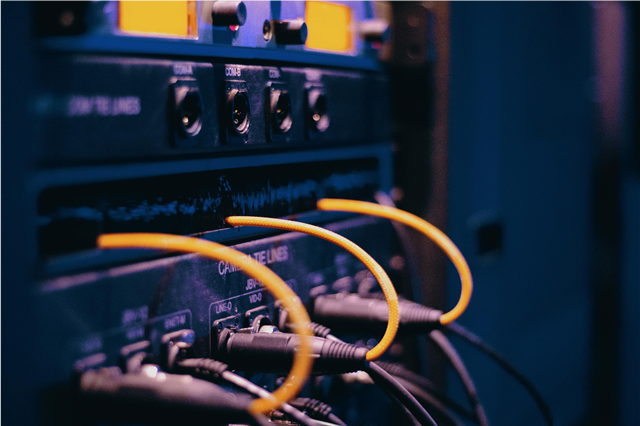
The Foundation: Gateways and Routers
Smart Gateways serve as the primary communication hub for IoT networks, processing data from multiple devices simultaneously. Modern IoT gateways can handle over 100 devices at once and typically cost between $200-$1,000 depending on their capabilities. These devices translate between different communication protocols, making them essential for mixed-device environments.
Enterprise-grade routers in IoT networks are significantly more robust than home versions. They can process millions of data packets per second and often include built-in security features like firewalls and intrusion detection systems. The global market for IoT networking equipment is projected to reach $23.5 billion by 2025.
The Wireless Web: Access Points and Mesh Networks
Wireless Access Points (WAPs) are critical for IoT deployments where wired connections aren't feasible. Modern WAPs can support up to 256 concurrent devices and operate on multiple frequency bands simultaneously. Industrial IoT installations often require 30-50% more access points than traditional IT networks due to range limitations of IoT sensors.
Mesh networking devices create self-healing networks that automatically reroute data if one node fails. These systems are particularly valuable in large-scale deployments like smart cities or agricultural monitoring, where reliability is paramount. A single mesh network can span several square miles while maintaining consistent connectivity.
The Invisible Connectors: Switches and Network Infrastructure
Managed network switches form the backbone of enterprise IoT networks, offering features like Quality of Service (QoS) prioritization and VLAN segmentation. These switches can prioritize critical IoT traffic, such as emergency sensors or industrial control systems, over less time-sensitive data.
Industrial-grade networking equipment designed for IoT applications often operates in extreme temperatures (from -40°F to 185°F) and can withstand vibrations, moisture, and electrical interference. This robust equipment costs 3-5 times more than consumer-grade alternatives but offers 24/7 reliability essential for mission-critical applications.
Power Over Data: PoE Solutions
Power over Ethernet (PoE) injectors and switches eliminate the need for separate power cables for many IoT devices. Modern PoE technology can deliver up to 90 watts of power over a single Ethernet cable, sufficient for devices ranging from security cameras to digital signage. The global PoE market is expected to grow to $12.6 billion by 2027, largely driven by IoT adoption.
Security: The Critical Component
Network security appliances specifically designed for IoT environments are increasingly essential. These devices include deep packet inspection capabilities and can identify anomalous behavior patterns that might indicate security breaches. IoT-specific firewalls can process up to 100,000 security events per second while consuming minimal power.
Bandwidth Management: Network Monitoring Tools
Network monitoring and management tools are crucial for maintaining optimal IoT performance. These solutions can identify bandwidth hogs, detect failing devices before they cause network-wide issues, and provide analytics for network optimization. Many enterprise IoT networks now dedicate 15-20% of their bandwidth specifically to management and monitoring traffic.
The Numbers Behind IoT Networks
The average smart building IoT network connects 500-5,000 devices, requiring careful planning of network capacity. Network architects recommend planning for 20-30% more capacity than current needs to accommodate future expansion. The typical IoT device generates 1-2 GB of data monthly, though some industrial sensors can produce over 100 GB daily.
Interesting fact: A single smart factory floor can generate over 1 terabyte of data every day, requiring enterprise-grade networking equipment capable of handling massive data throughput.
Making the Right Choices
Selecting IoT networking equipment requires balancing cost, performance, and future scalability. While basic deployments might start under $1,000, comprehensive enterprise solutions often exceed $10,000. However, proper investment in quality networking equipment typically reduces maintenance costs by 40-60% over the equipment's lifetime.
The IoT networking equipment market includes major players like Cisco, Huawei, and Arista Networks, alongside specialized IoT-focused companies like Sierra Wireless and Hologram. Equipment selection should consider factors including device count, data volume, environmental conditions, and security requirements.
The Future Landscape
As 5G technology rolls out globally, IoT networking is evolving to include edge computing capabilities directly within networking equipment. Modern routers and gateways are increasingly incorporating AI chips to preprocess data before sending it to centralized servers, reducing latency and bandwidth requirements.
Understanding these essential networking components empowers organizations to build robust, scalable IoT networks that can adapt to future technological advances while maintaining security and reliability in our ever-connected world.
The key to successful IoT implementation lies not just in the smart devices themselves, but in the invisible network infrastructure that makes seamless connectivity possible.


